



Home security has become more important than ever for homeowners who want to protect their families, valuables, and property. With technology improving every year, choosing the right alarm system can feel confusing. The biggest decision many homeowners face is whether to choose a wired or wireless security alarm system. Both options offer excellent protection, but they work differently and suit different types of homes and lifestyles.
Many people today are also upgrading their properties with smart monitoring solutions and looking for reliable professional home surveillance equipment to improve overall security. Understanding the differences between wired and wireless systems can help you make the right investment for long-term safety and peace of mind.
Understanding How Wired Alarm Systems Work
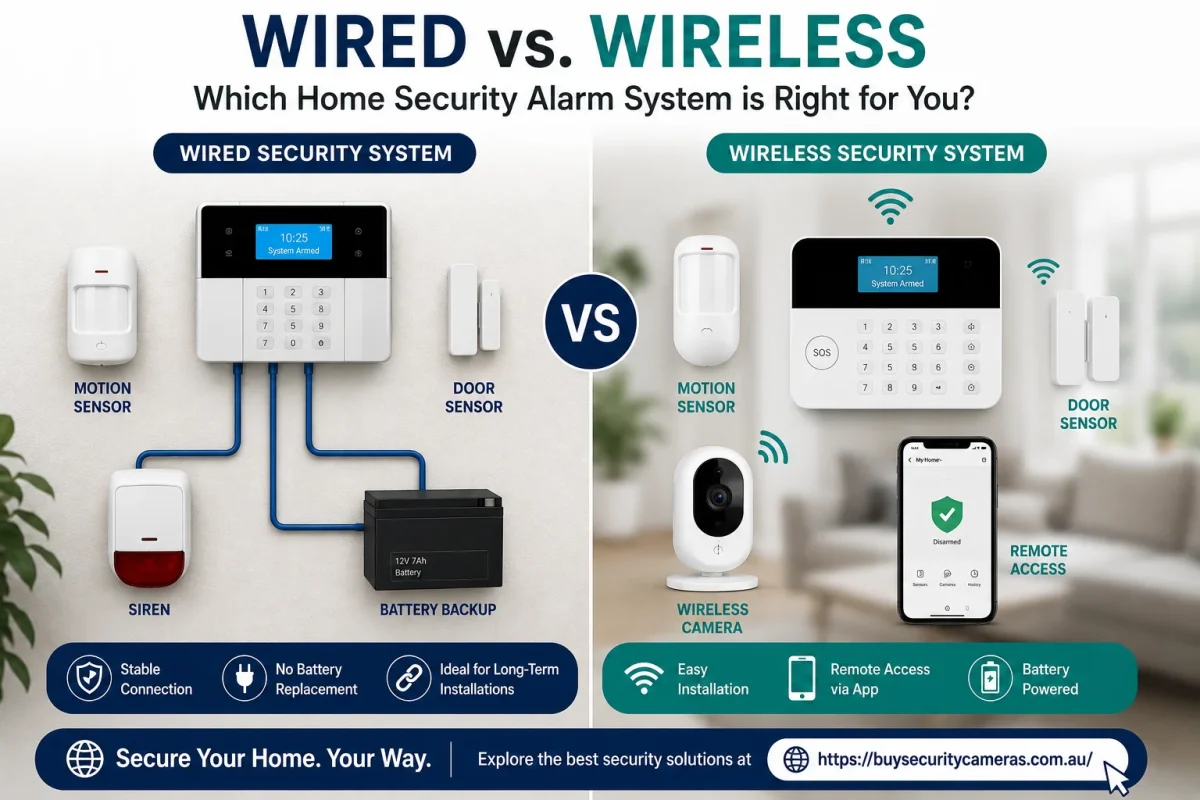
A wired security alarm system connects all devices through physical cables installed inside walls, ceilings, and floors. These systems usually include alarm sensors, control panels, motion detectors, and sirens connected through wiring. Wired systems are commonly installed during home 5finished.
One of the biggest benefits of wired systems is their stable connection. Since the devices communicate through cables instead of wireless signals, there is very little risk of interference. Many commercial buildings and large homes still prefer wired alarms because they provide dependable long-term performance. Homeowners who want a permanent security solution often choose wired systems for their reliability and durability over many years of use. To improve overall home protection, many property owners also invest in top-rated security cameras for sale that work alongside modern alarm systems for complete security coverage.
What Makes Wireless Alarm Systems Popular
Wireless security alarm systems use Wi-Fi or radio signals to connect security devices without needing extensive cables. Sensors, cameras, and detectors communicate directly with the control panel through wireless technology. This makes installation much faster and easier compared to traditional wired systems.
Many homeowners now prefer wireless systems because they are flexible and simple to manage. Modern wireless alarms often connect to smartphone apps, allowing users to monitor their homes remotely. If you are looking for smart protection solutions, many homeowners also combine alarms with advanced home alarm technology for complete property protection. Wireless systems are especially popular among renters and people who want quick installation without damaging walls or floors.
Installation Differences Between Wired and Wireless Systems
Wired and wireless systems differ greatly when it comes to installation requirements and setup time. Wired systems usually need cables to be routed through walls, ceilings, or floors, which can make the installation process more complex and time-consuming. In contrast, wireless systems are easier and faster to install because they rely on Wi-Fi or radio signals instead of physical wiring. Wireless setups are also more flexible for homes and businesses that may need future upgrades or device relocation. However, wired systems often provide more stable connections and long-term reliability for larger security installations.
Reliability and Performance Comparison
Reliability is extremely important when choosing a home security alarm system. Wired systems are generally considered more stable because they do not rely on wireless signals or internet connections for communication between devices. Power interruptions can affect them, but many systems include backup batteries to maintain operation during outages.
Wireless systems are also reliable, but signal interference can sometimes affect performance. Thick walls, electronic devices, and internet issues may reduce signal strength in certain areas. However, modern wireless technology has improved significantly, and most quality systems now provide strong and secure communication. For most homeowners, both systems offer dependable protection when installed correctly and maintained properly.
Security Features Available in Both Systems
Both wired and wireless alarm systems now offer advanced security features designed to improve home safety. Common features include motion detection, door and window sensors, sirens, security cameras, remote monitoring, and smartphone notifications. Many systems also integrate with smart home devices such as smart locks and voice assistants.
Wireless systems often lead in smart technology integration because they are designed with modern connectivity features. Homeowners can arm or disarm alarms remotely, view live camera footage, and receive instant alerts on mobile devices. Wired systems can also include these features, but installation and upgrades may be more complex. The best choice depends on whether you prioritize advanced smart features or traditional long-term stability.
Cost Differences Between Wired and Wireless Alarm Systems
Cost plays a major role when choosing a security system. Wired alarm systems usually have higher installation costs because professional labor and cable installation are required. However, once installed, maintenance costs may remain lower over time because wired components often last longer.
Wireless systems usually cost less upfront because installation is faster and easier. Many wireless systems are available in affordable starter packages suitable for smaller homes and apartments. However, wireless devices often require battery replacements and occasional upgrades. Some systems may also involve monthly subscription fees for cloud storage or professional monitoring services. Homeowners should compare both short-term and long-term costs before making a decision.
Maintenance Requirements for Both Systems
Every security system requires regular maintenance to ensure proper operation. Wired systems generally need less ongoing maintenance because they rely on physical connections instead of batteries. Once installed correctly, wired devices can function effectively for many years with minimal servicing.
Wireless systems require more regular attention because batteries in sensors and detectors must be replaced periodically. Homeowners should also check Wi-Fi connections and software updates to maintain system performance. While wireless maintenance is usually simple, it is important not to ignore battery warnings or device notifications. Proper maintenance ensures that both wired and wireless systems continue protecting your property effectively.
Flexibility and Expansion Options
Wireless systems offer greater flexibility when it comes to expanding security coverage. Homeowners can easily add extra cameras, motion sensors, or smart devices without running additional cables. This makes wireless systems ideal for growing families or changing security needs.
Wired systems can also be expanded, but adding new devices often requires extra installation work and professional assistance. For homeowners planning future renovations or extensions, wireless systems provide easier adaptability. The ability to move devices freely is one reason why wireless alarms have become increasingly popular in modern homes and apartments.
Best Choice for Large Homes
Large homes often benefit from wired alarm systems because they provide strong and consistent connections across bigger properties. Wired systems handle multiple devices effectively without depending heavily on wireless signal strength. Many luxury homes and commercial buildings continue to use wired systems because they support extensive security coverage.
However, advanced wireless systems can also perform very well in larger homes when supported by strong Wi-Fi networks or signal boosters. Homeowners should evaluate the layout, wall thickness, and internet coverage before selecting a wireless setup for a large property.
Best Option for Apartments and Rental Properties
Wireless alarm systems are usually the best option for apartments and rental homes. Since they do not require drilling or extensive cable installation, renters can install them without making permanent modifications to the property. Wireless devices can also be removed easily when moving to a new home.
Portable security solutions make wireless alarms highly convenient for temporary living situations. Many wireless systems also allow users to expand coverage gradually as needed. This flexibility makes them ideal for smaller properties and tenants who want reliable protection without expensive installations.
Smart Home Integration Benefits
Modern homeowners increasingly prefer security systems that integrate with smart home technology. Wireless alarm systems are especially compatible with smart lighting, voice assistants, mobile apps, and automation tools. Users can create routines that automatically lock doors, turn on lights, or activate alarms when leaving home.
Wired systems can also integrate with smart technology, but upgrades may require additional hardware and professional configuration. Homeowners interested in creating a complete smart home ecosystem often find wireless systems more convenient and user-friendly for automation and remote access features.
Which System Offers Better Long-Term Value
Long-term value depends on your property type, budget, and future plans. Wired systems often deliver excellent long-term reliability and lower maintenance concerns for permanent homeowners. They are ideal for people who want a stable, durable solution that can last for many years.
Wireless systems offer strong value through flexibility, easy installation, and modern smart features. They work especially well for renters, smaller homes, and homeowners who want mobile control and easy upgrades. Choosing the right system depends on balancing installation costs, convenience, future expansion, and personal security preferences.
Thoughts on Choosing the Right Security Alarm System
Both wired and wireless home security alarm systems provide excellent protection when chosen correctly. Wired systems are known for reliability, strong performance, and long-term durability. Wireless systems stand out for flexibility, smart technology integration, and easy installation. Understanding your home size, budget, and security goals will help you make the best decision.
Whether you prefer traditional wired protection or modern wireless convenience, investing in a quality alarm system is an important step toward improving home safety. Carefully comparing features, installation requirements, and maintenance needs can help you select a security solution that provides confidence and peace of mind for years to come.